How do Detox Centers Work? A Comprehensive Guide
Jan 18, 2026

Detox centers are specialized medical facilities designed to help individuals safely withdraw from drugs or alcohol under professional supervision. Their primary role is to manage acute withdrawal symptoms, stabilize the body, and reduce health risks during the early phase of recovery.
This expert guide dives into how professional detox programs manage symptoms, what to expect during inpatient care, and why medically supervised detox is a crucial first step toward sobriety.
How Do Detox Centers Work?
Medical detox is essentially the first step of recovery, where you rid your body of addictive substances under 24/7 professional care.
- Supervised Withdrawal: Licensed medical staff monitor vital signs and taper off drugs so withdrawal is controlled and safe.
- Who Needs It: Detox is essential to reduce dependence on drugs like alcohol, opioids, and benzodiazepines (risks include seizures or life-threatening delirium tremens).
- Goal: To stabilize the patients physically and manage withdrawal symptoms (cravings, nausea, anxiety, etc.) so they are healthy enough to begin therapy.
Check Out: They Don’t Want Help—Now What. Setting Boundaries Without Enabling Addiction
Explore the Key Steps in a Detox Program
A typical inpatient detox follows a structured, step-by-step process:
1. Assessment:
On arrival, you undergo a health evaluation (labs, history) to customize your plan. Every person’s needs differ by substance use and medical history; treatment plans must be customized accordingly.
2. Stabilization:
Staff begin any needed medications and monitor vitals. The worst withdrawal effects usually hit in the first 24–72 hours.
3. Monitoring & Support:
You’ll have round-the-clock supervision. Nurses check heart rate, blood pressure, and hydration. Fluids and nutrition are provided to make the patient feel comfortable and prevent complications.
4. Counseling Beginnings:
Counselors may talk with you to address fears and build motivation. This early support helps prepare patients for rehab after detox.
Explore: Addiction and Alcoholism--How They Wreak Havoc on Your Life and Relationships
How Detox Centers Provide Medications and Comfort Care
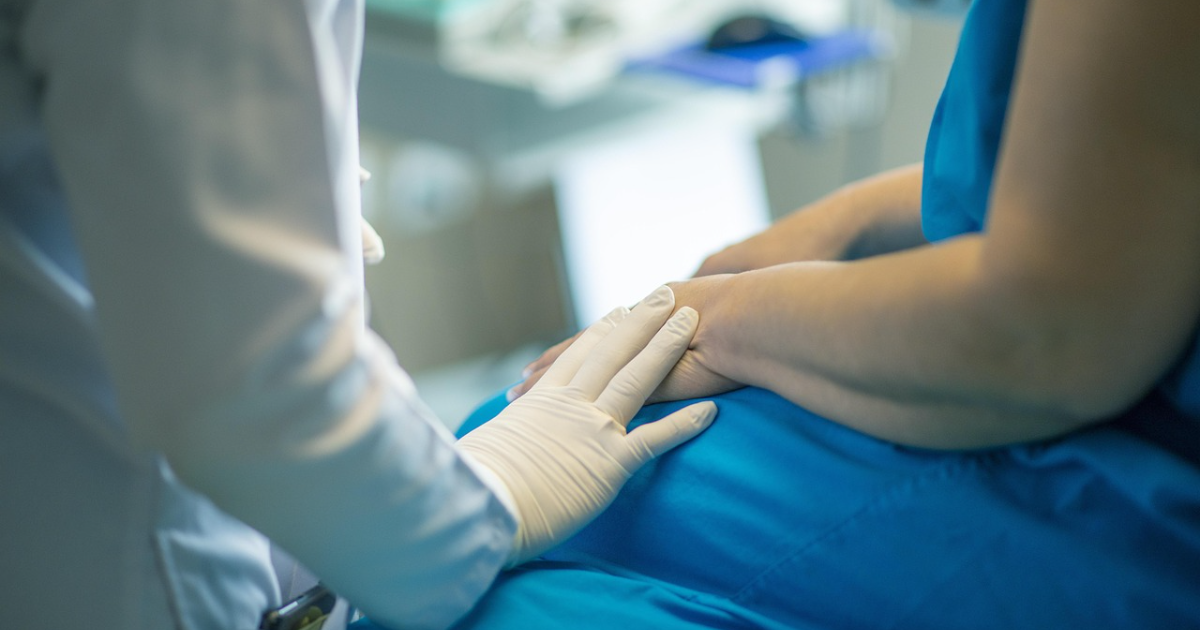
Detox centers use FDA-approved meds and supportive care to make withdrawal bearable:
- Medication-Assisted Treatment (MAT): For MAT, common drugs include benzodiazepines for alcohol withdrawal, methadone or buprenorphine for opioids, and clonidine or gabapentin for general symptoms. These reduce anxiety, tremors, and cravings.
- Symptom Relief: Non-opioid sleep aids, anti-nausea, and anti-diarrheal medications can ease problems like an upset stomach or insomnia. Intravenous fluids and multivitamins, e.g., thiamine for alcohol users, are given to help restore the body.
- Holistic Comfort: Restful rooms, comfortable bedding, hydration, and nutrition support are provided. Patients are also often given access to gentle therapies (massage, mindfulness, group therapy) to lower stress.
You Might Also Like: Should Parents Force Kids into Rehab? Saving Lives vs. Respecting Choices
Why Supervised Detox Is Safer and More Effective
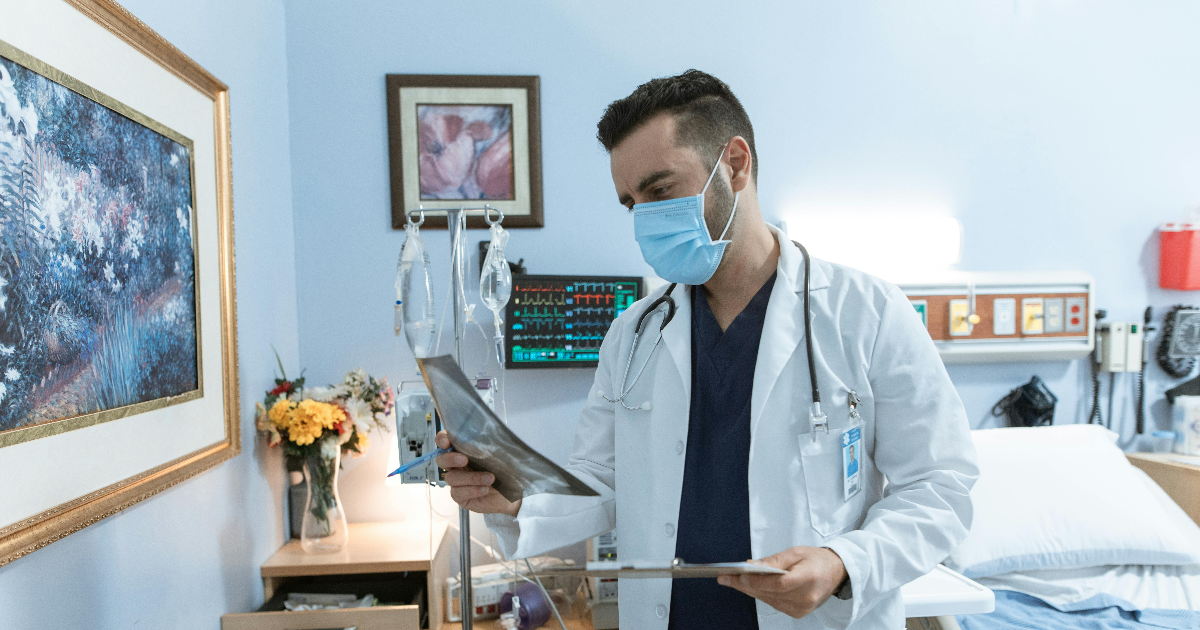
Detoxing at home can be risky. In contrast, a detox center offers safety, medical oversight, and higher success:
-
24/7 Medical Monitoring:
In a detox center, doctors are on hand to stop a seizure in its tracks and treat delirium tremens, conditions that can be fatal if unattended.
-
Higher Completion Rates:
Studies show that medically supervised detox programs have significantly higher completion rates than those who try to quit on their own. With round-the-clock support, you’re less likely to abandon detox mid-way.
-
Reduced Relapse and Overdose:
Removing access to drugs and providing structure keeps temptation away. Many people relapse at home because withdrawal drives cravings.
In a center, triggers are minimized, and counseling helps to cope, lowering relapse risk.
Check Out: “Love without Enabling Addiction” - book
Detox Center vs. Quitting “Cold Turkey”
You may be tempted to tough it out at home, but consider these risks:
-
Dangers of At-Home Detox:
Without supervision, severe withdrawal can progress unchecked. People detoxing alone often experience intense anxiety, seizures, hallucinations, and even suicidal thoughts without having proper immediate medical access.
-
Likelihood of Relapse:
Being in a familiar environment surrounded by daily triggers makes quitting solo very hard. In contrast, a detox center removes you from using cues and surrounds you with support.
Many clients report that even 24 hours away from home helped them break cravings and mental dependence.
-
Controlled Withdrawal:
Detox centers use gradual tapering and medications to ease you off substances. Cold turkey can shock the body abruptly.
In a center, professionals work to manage symptoms so your body detoxes in stages rather than all at once.
Explore: The Lie of “Just One” - Discussing honesty in recovery

Who Should Consider a Detox Center (and Who Shouldn’t Do It Alone)
Not everyone needs inpatient detox, but many people underestimate their risk.
- High-risk substance use
High-risk substances that can have serious side effects must never be stopped abruptly without medical supervision.
- Long-term or heavy use
If you’ve used substances daily or for months/years, your body has adapted to them. Detox centers manage this dependence gradually, reducing shock to the nervous system.
- Previous failed attempts
Multiple relapses or abandoned quit attempts often signal that willpower isn’t the issue. Medical detox removes physical barriers that sabotage recovery early.
- Co-occurring health concerns
Conditions like anxiety, depression, diabetes, or heart disease complicate withdrawal. Detox centers factor these into medication choices and monitoring frequency.
Important distinction:
Detox is not about punishment or “toughing it out.” It’s about stabilizing your body so that recovery is possible. Trying to detox alone is often less about strength and more about reducing exposure to unnecessary medical risk.
What Makes a High-Quality Detox Center Different
Not all detox programs are created equal.
Knowing what separates quality care from basic supervision can protect safety, offer better outcomes, and help you select the right center.
- Medical leadership
- Look for centers with on-site physicians or direct physician oversight.
- This ensures medication adjustments happen quickly rather than hours later.
- Individualized protocols
- High-quality centers avoid one-size-fits-all taper schedules. Dosages, monitoring frequency, and comfort meds are all adjusted daily based on symptoms.
- Low patient-to-staff ratios
- More staff means faster response times and better symptom tracking. This matters most during the first 72 hours of detox.
- Clear transition planning
- Detox should never end with just a “good luck.” Strong programs actively coordinate the next treatment before discharge.
- You can discuss this with your center in the initial meetings to better prepare yourself.
- Calm, recovery-focused environment
- A peaceful location with limited external stimuli and interaction can help build a calm setting. Private rooms and a clean, well-managed facility also lower nervous system stress. This directly affects withdrawal severity and emotional regulation.
You Might Also Like: Breaking Free from Shame--How Guilt Fuels Addiction and Triggers Relapse

What Happens After Detox? Next Steps in Treatment
Completing detox is a major achievement, but it’s only the beginning. Once your body is clean, you’ll transition into addiction treatment.
- Seamless Transition to Rehab: Most detox patients move directly into counseling or residential rehab. Continuity ensures the momentum of recovery continues. Detox alone doesn’t treat the psychological roots of addiction, so therapy and education follow.
- Aftercare Plans: Quality centers (like Restore Detox Centers) arrange outpatient therapy, 12-step programs, sober living options, and ongoing medical check-ups.
- Building New Skills: Rehab also teaches coping strategies, stress-management, and relapse prevention to maintain sobriety long-term.
You don’t have to go through withdrawal alone. Restore Detox Centers offers medically guided detox that prioritizes comfort, clinical oversight, and continuity of care. Reach out today.
FAQs (Frequently Asked Questions)
Q. Will detox be extremely painful or scary?
- Withdrawal can be uncomfortable, but in a detox center, you don’t face it alone. Medications and supportive care greatly reduce pain and anxiety. The medical team’s goal is to keep you as comfortable as possible.
Q. Are detox centers safe and licensed?
- Yes. Reputable detox centers are licensed medical facilities with qualified staff (doctors, nurses, counselors). They follow safety protocols and monitoring standards. For instance, Restore Detox Centers is Joint Commission–accredited and provides 24-hour care.
Q. Is detox alone enough to overcome addiction?
- No. Detox clears substances from your body, but addiction has psychological and behavioral aspects. After detox, you’ll need further treatment to address triggers and develop coping skills.
Q. How do I prepare for going to a detox center?
- Preparing can ease your mind. Pack a bag with your necessary comfort items (robes, slippers, personal hygiene items, books). Arrange childcare or pet care if needed. Make a list of medications and your medical history for the staff. Also, say goodbye to friends or partners who may trigger use, and mentally commit to the process.
Q. Can family members visit or stay in contact during a detox program?
- Most detox facilities allow family contact while balancing it with safety. Family involvement is often encouraged because support systems can improve motivation and recovery outcomes. However, some centers also have a short blackout period during which no contact is permitted for some patients. Policies vary by center and level of care, so it’s best to ask admissions staff about visitation rules.
24/7 HELP
Begin your healing at Restore.
Restore Detox Centers is your 24-hour residential treatment facility for alcohol and drug addiction. Our compassionate team of professionals understands your challenges, providing effective rehabilitation services in San Diego. From medically assisted detox to comprehensive residential programs, we guide you towards a life free from addiction.
Stay connected with news and updates!
Join our mailing list to receive the latest news and updates from our team.
Don't worry, your information will not be shared.
We hate SPAM. We will never sell your information, for any reason.
